

HU GLOBAL · RESEARCH
AI-PATENT

Collective Intelligence-Driven Physical AI
via Graph Neural Network and Deep Learning Physics Engine (Registration) and GENERATIVE AI (Application)
A self-evolving system that jointly learns the entire pipeline while preserving causal structure.
Patent Description and Public Search Information
The core architecture described in this work is protected under a registered Korean patent:
Korean Patent Registration No.: 10-2873014 (Republic of Korea, Korean Intellectual Property Office)
This patent relates to a deep learning–based physics engine integrated with reinforcement learning and human preference signals, enabling physically grounded artificial intelligence capable of high-fidelity virtual embodiment.
The full patent specification, including claims and detailed technical description, is publicly accessible through the Korean Intellectual Property Rights Information Service (KIPRIS).
Official Patent Search Portal · KIPRIS →
Architecture Diagrams
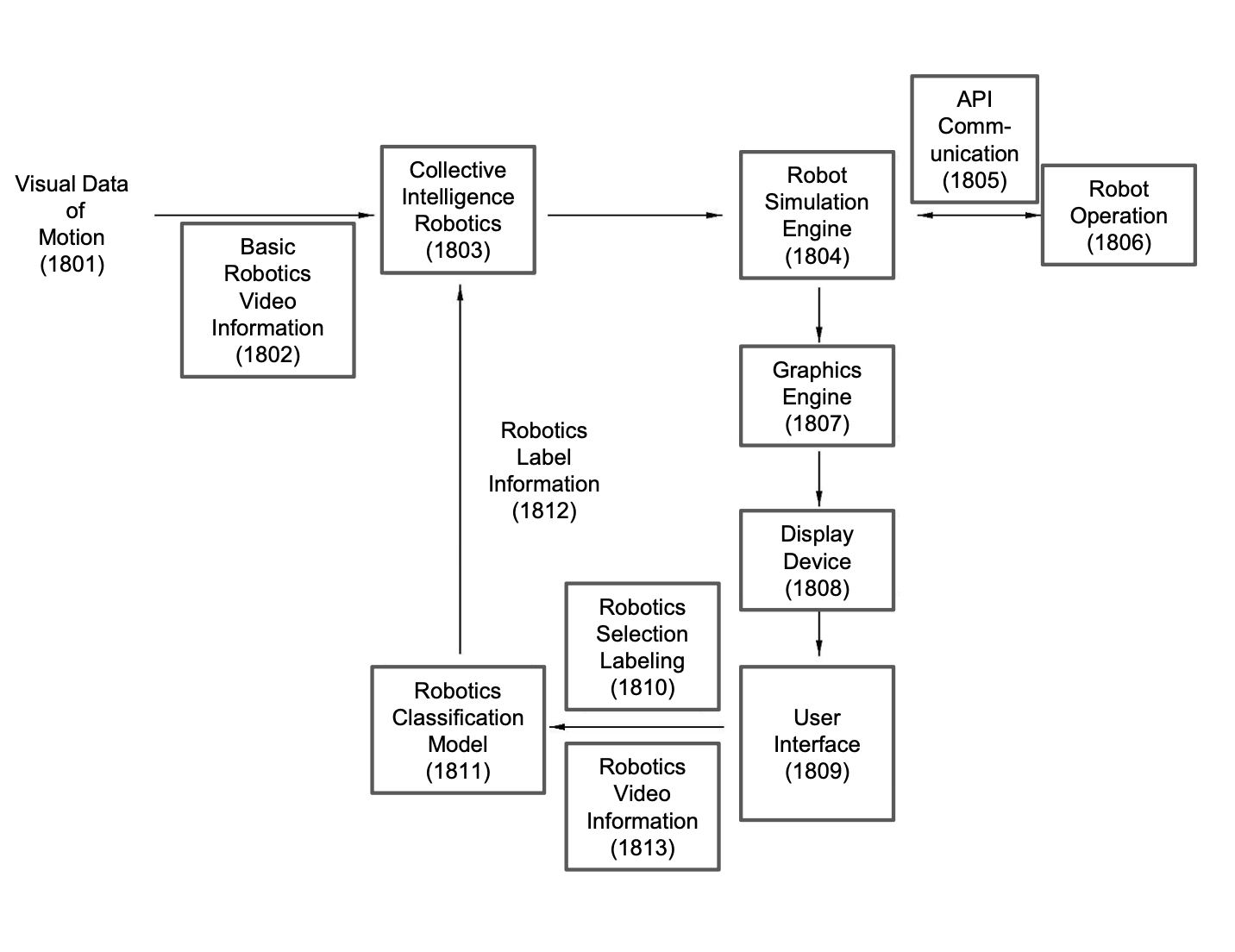
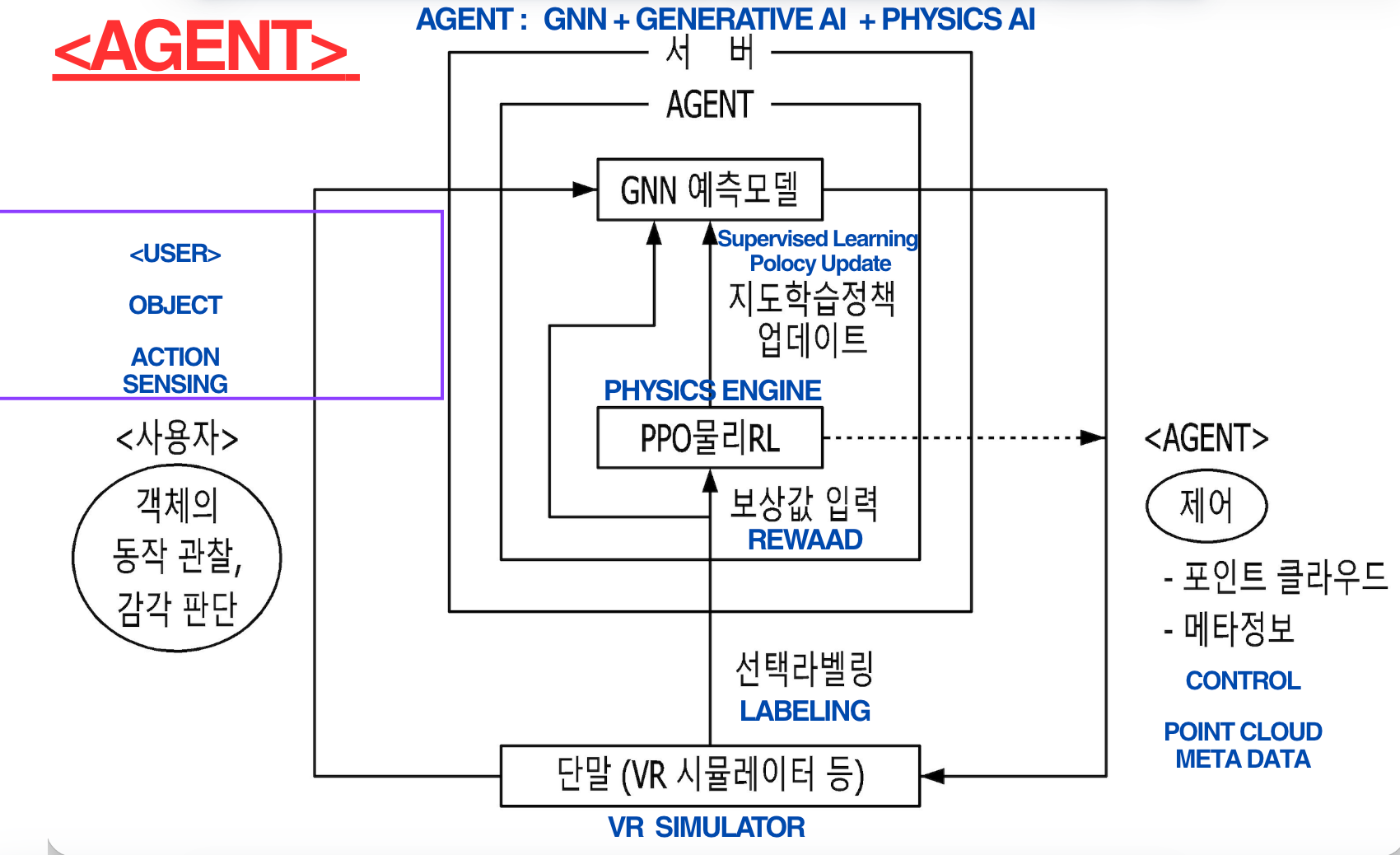
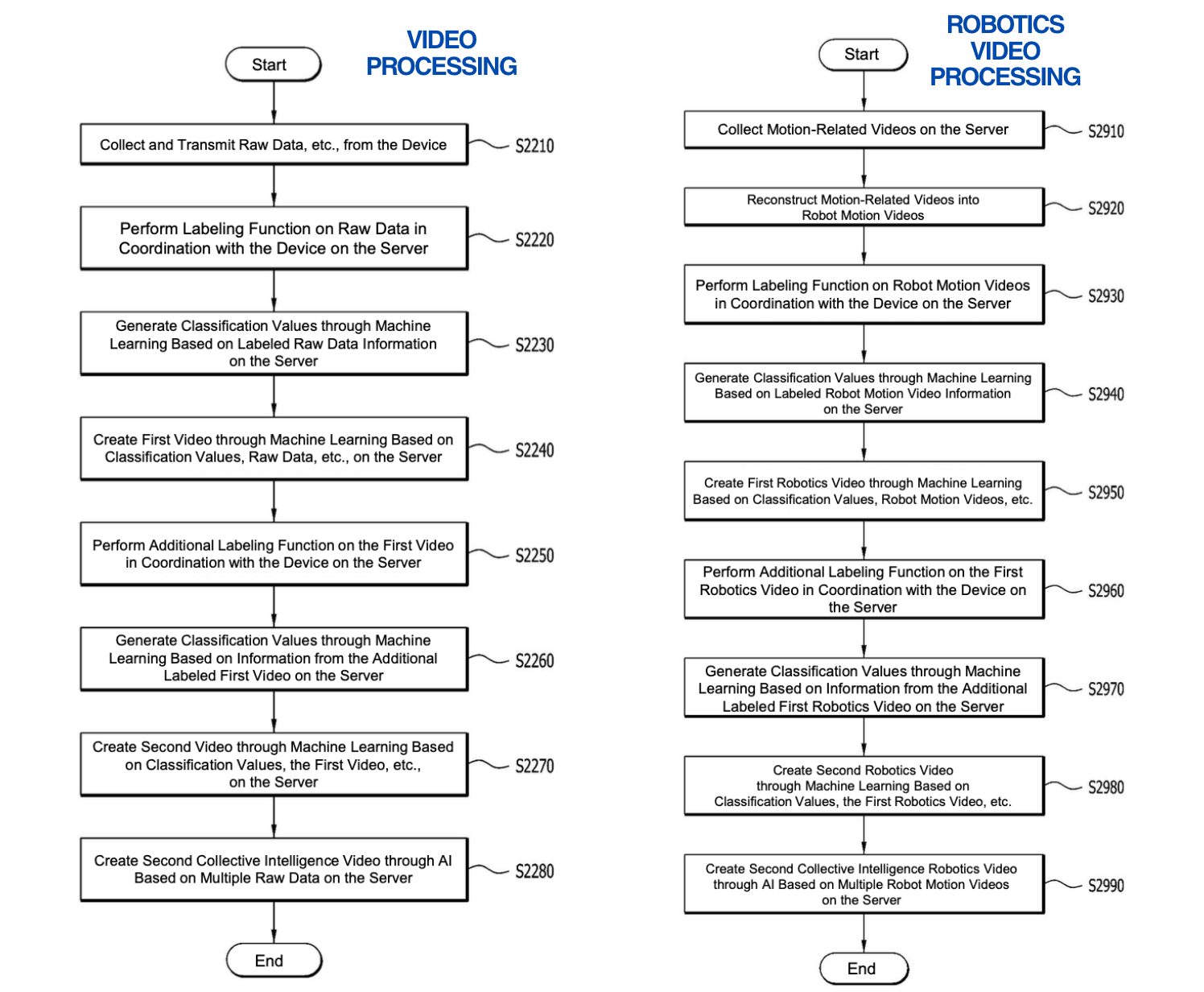
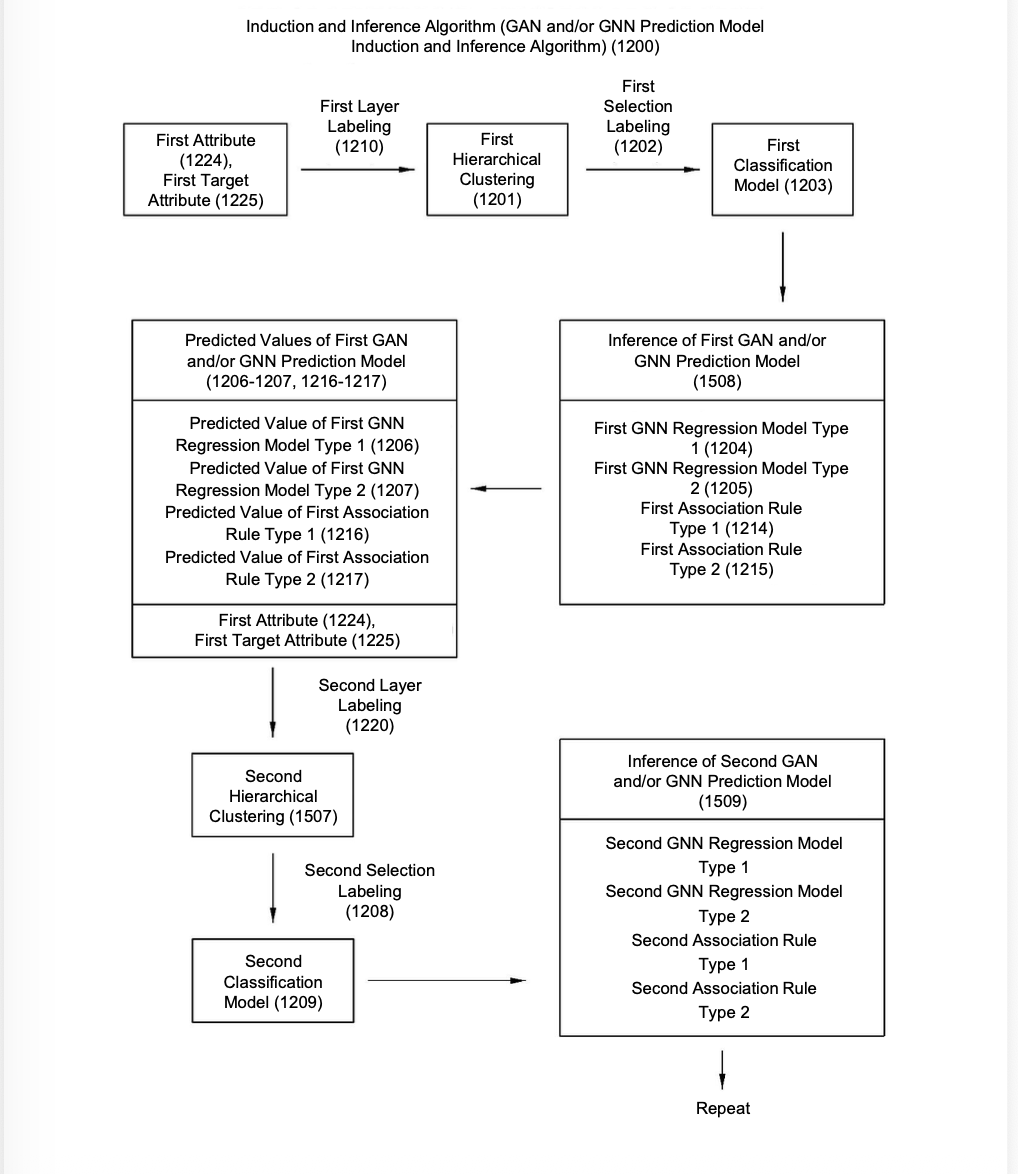
Unified Physical AI & Generative AI Agent Integrating Graph Reasoning and Learned Physics
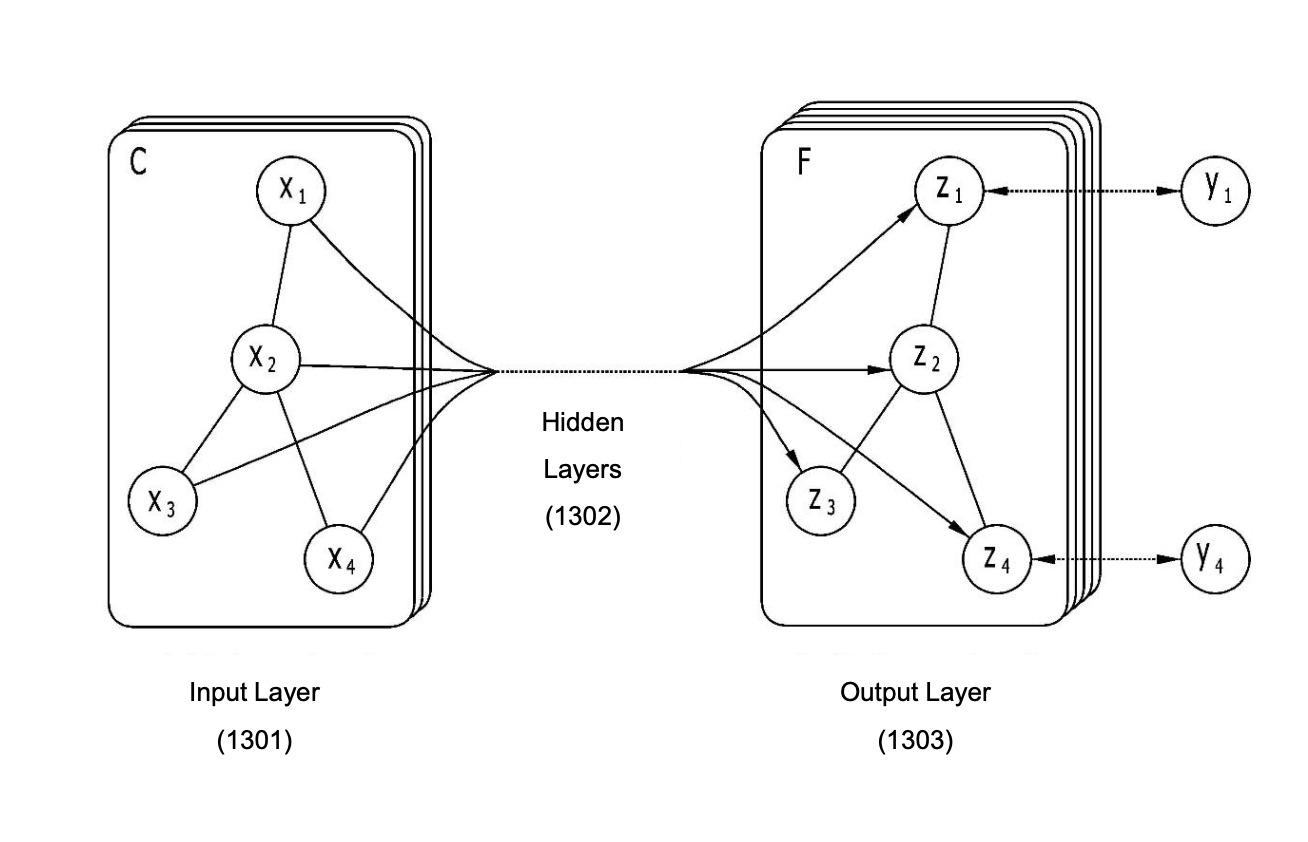
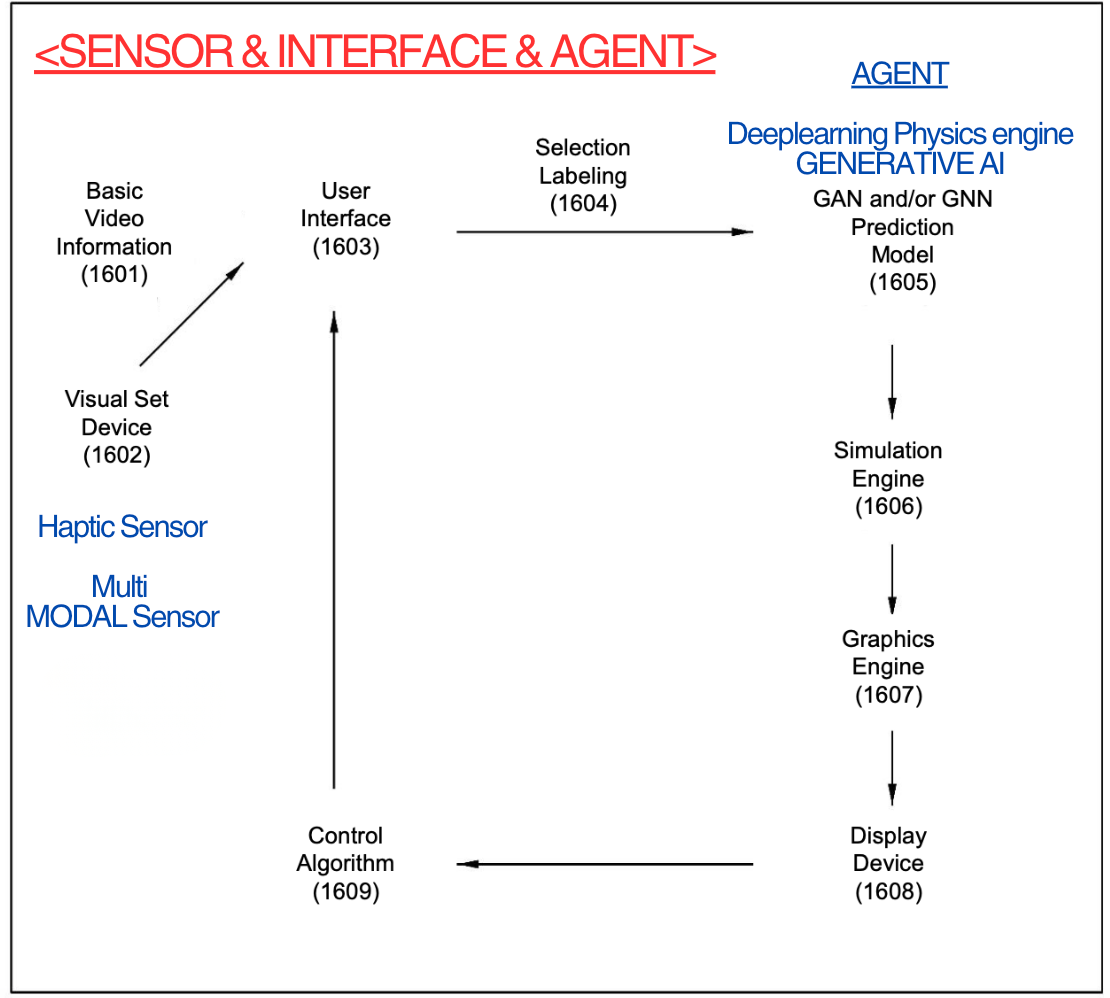
A point-cloud–based graph neural network is integrated with a deep learning physics engine and generative AI to form a single unified agent.
The architecture supports reinforcement, self-supervised, unsupervised, semi-supervised, and supervised learning within a recursive physical intelligence framework.
(A) Agent Composition: Graph Reasoning Meets Learned Physics
(B) Data Flow: End-to-End Differentiable Physical Reasoning
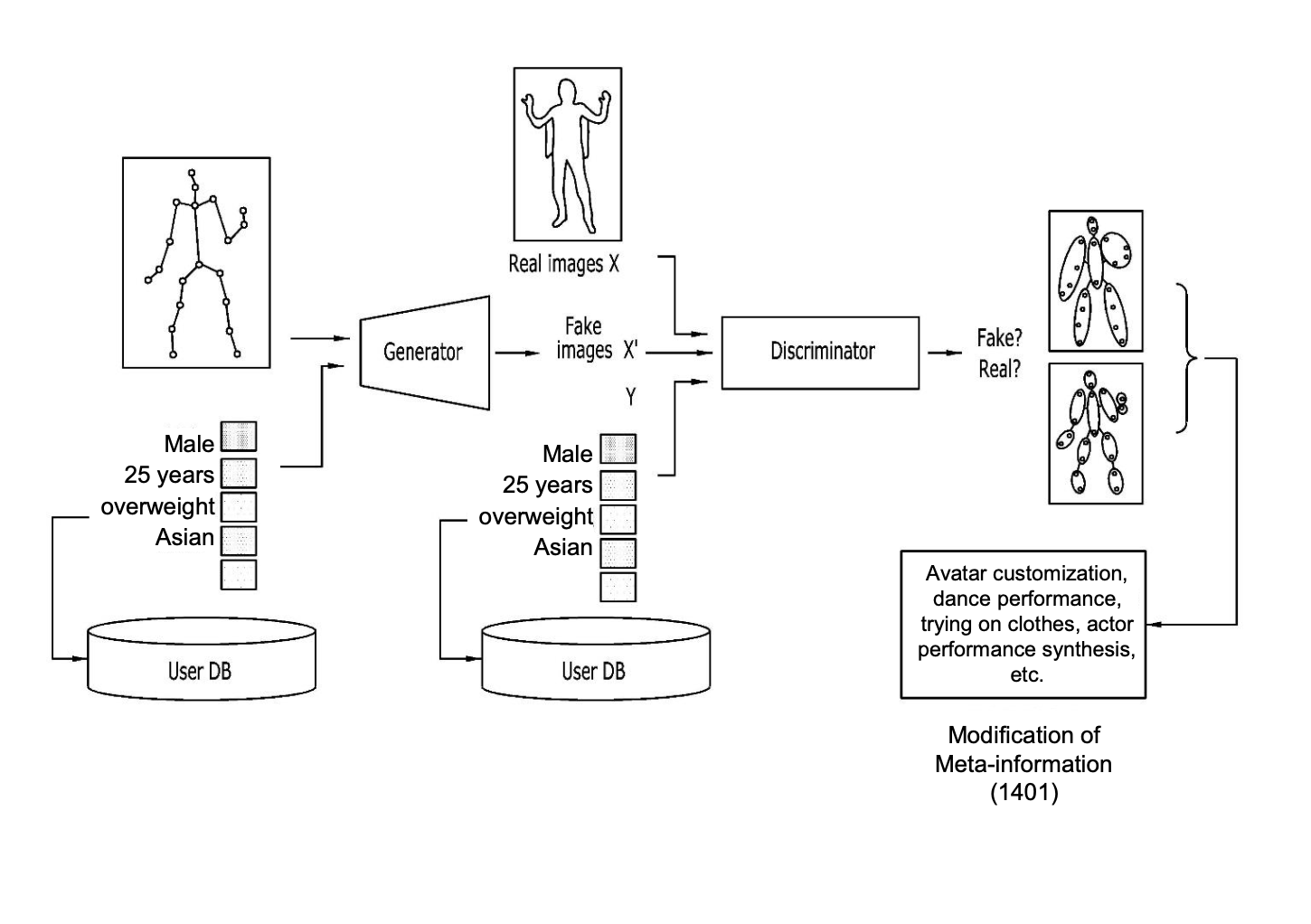
(C) Generative AI: Self-Consistent Learning Ecosystem
(D) Multi-Modal Learning Regime
Recursive Enhancement of Physical Intelligence through Virtual Simulation
The simulator refines relational structures and physical representations through augmented virtual scenarios. The recursive loop among simulation, virtual reality, and policy updates improves digital twin alignment.
Simulator Core: Physics AI & Generative AI–Grounded Synthetic Environment
At the foundation is a physics-based simulator that models rigid-body dynamics, contact resolution, and frictional interactions.
The simulator integrates analytical constraints with learned components derived from deep learning–based physics engines , ensuring that generated trajectories remain physically consistent.
A generative AI component is incorporated to probabilistically generate diverse scenarios and trajectories within physically valid state spaces, complementing sparse or unobserved interactions.
The generative model interacts with the simulator to expand data diversity and mitigate distribution shift arising during training.
The simulator provides the following capabilities:
- Contact dynamics under varying surface conditions,
- Parameterization of frictional and inertial properties,
- Multi-object relational interaction scenarios,
- Controlled perturbations for stability and robustness analysis,
- Probabilistic scenario expansion via integration with generative models.
Importantly, this system extends beyond a conventional trajectory generator.
Its differentiable and partially learned structure enables bidirectional information flow among simulated dynamics, generative models, and policy optimization.
The generative AI learns physical constraints from the simulator, while the simulator is continuously refined using generated data.
As a result, the overall system evolves into a self-consistent learning ecosystem that functions simultaneously as an environment, a data generator, and an adaptive modeling substrate.
Unified Physical AI & Generative AI Framework
Human preference as a first-order alignment mechanism in recursive physical intelligence
This framework formalizes the role of human evaluative signals as a primary alignment mechanism within the proposed physical AI architecture.
Unlike conventional reinforcement learning systems in which reward functions are predefined and static, the present framework treats human preference as a dynamic and structurally integrated signal that modulates inference prior to long-horizon reward optimization.
Rather than functioning as an auxiliary reward term, human feedback operates as an early-stage shaping constraint on policy representation and relational reasoning.
Autonomous Structural Learning
Autonomous structural learning in graph-based physical intelligence
Figure describes the autonomous structural learning mechanism that enables the unified physical AI agent to organize relational and dynamical representations without reliance on explicit supervision.
This structural learning emerges from the interaction between self-supervised temporal prediction and unsupervised relational graph discovery operating on point-cloud data.
Rather than treating perception as static feature extraction, the proposed architecture learns the geometry of physical interaction manifolds directly from temporal and relational consistency.
Hierarchical Probabilistic Physics Modeling
Hierarchical probabilistic physics modeling transforms the deep learning physics engine into a structured uncertainty regulator.
Rather than relying on heuristic exploration schedules, the agent adjusts behavior according to physically grounded uncertainty estimates.
This mechanism is crucial for:
- Scaling to high-DoF robotic systems,
- Handling partial observability,
- Achieving stable digital twin synchronization.
In this view, uncertainty is not noise to be eliminated, but an informational signal guiding adaptive physical intelligence.
Reinforcement Learning within a Multi-Modal Learning Framework
Reinforcement learning as one optimization pathway within a multi-modal physical intelligence architecture
AGENT situates reinforcement learning within a broader multi-modal learning framework.
Although proximal policy optimization (PPO) provides an empirically efficient mechanism for policy improvement, it represents only one pathway in a composite optimization landscape that integrates supervised, semi-supervised, and self-supervised learning.
The proposed architecture is not defined by reinforcement learning alone.
Rather, it operates on a unified objective manifold where multiple learning signals coexist and co-regulate adaptation.
Differentiable + Learned + Generative + End-to-End Engine
(1) Differentiable Physics Engines
- Brax (Google)
- Dojo
- differentiable rigid-body engines
(2) PINN / Scientific ML
- PINN (Physics-Informed Neural Networks)
- DeepXDE
- SciANN
(3) PBDL / Differentiable Simulation Hybrid
- Physics-Based Deep Learning (PBDL)
- differentiable simulators + NN hybrid
(4) “Generative Physics Engine”
- simulation + generative AI
- physics based world model
- 4D dynamic world generation
- simulator = generative + differentiable + adaptive system
A Generative Differentiable Physics Engine as a Constraint-Preserving Operator in Unified Physical Intelligence
The proposed physics engine is not a static simulator but a generative, differentiable, and learnable operator embedded within the unified physical intelligence framework.
Unlike conventional simulators that operate as forward-only solvers, the engine integrates differentiable physics, physics-informed learning, and generative modeling into a single computational graph.
This transforms physics from an external environment into an active, adaptive, and co-optimized component of learning.
Digital Twin Integration with Real-World Coordinates
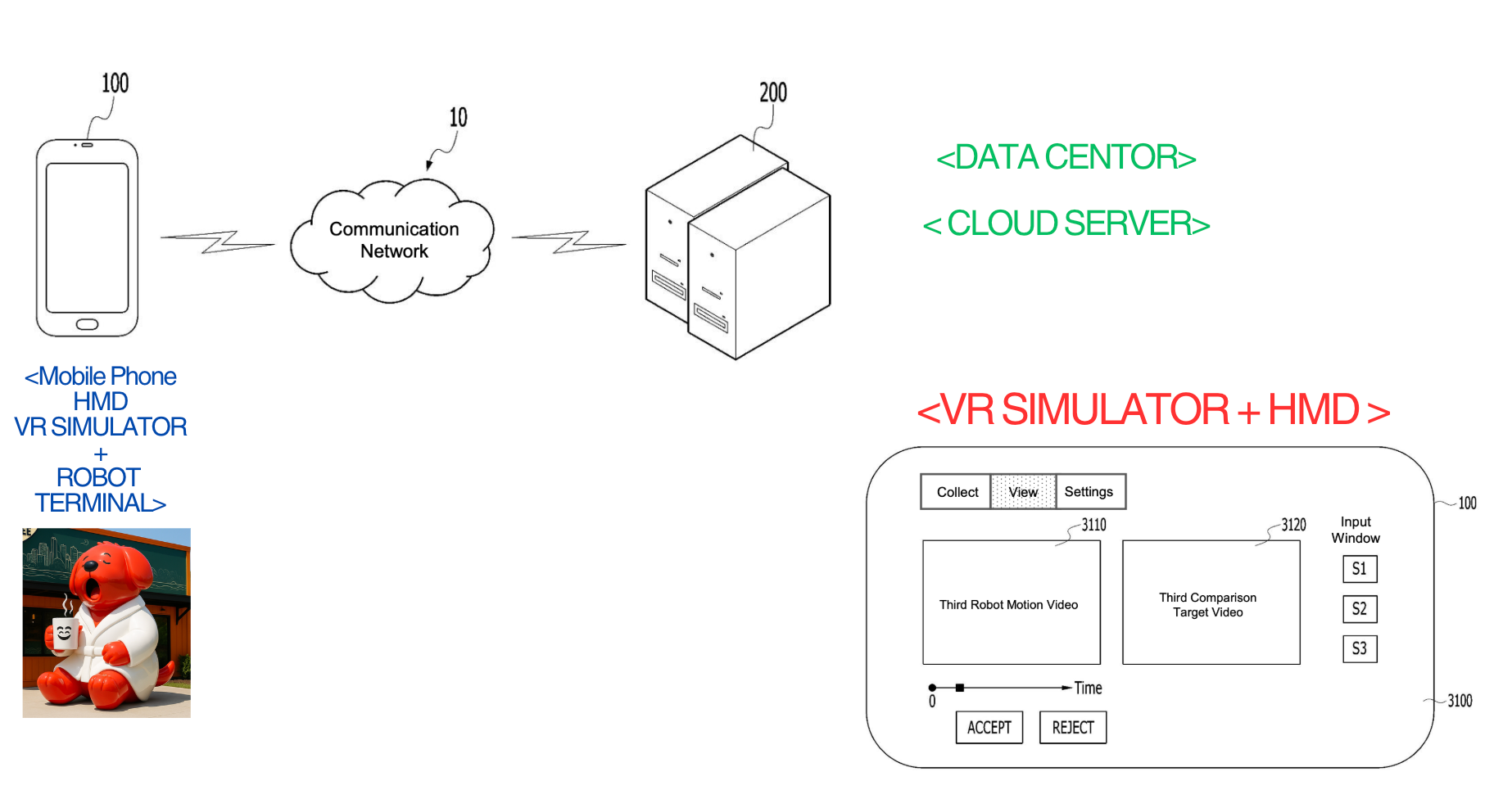
Figure formalizes the integration of the unified physical AI engine with real-world robotic and aerial platforms through a digital twin framework.
Rather than functioning as a passive replica of physical hardware, the digital twin operates as a bidirectionally synchronized dynamical system that continuously aligns simulated and embodied states.
This alignment requires explicit coordinate transformation, state mapping, and parameter calibration across heterogeneous reference frames.
(A) Drone and Robotic Coordinate Mapping
Real-world systems such as drones, robotic manipulators, or autonomous vehicles operate in platform-specific coordinate frames:
- Body frame (local reference attached to the vehicle),
- Inertial frame (global navigation frame),
- Sensor frame (camera, LiDAR, IMU).
In contrast, the simulation environment maintains its own canonical coordinate system.
(B) Virtual-to-Physical Transformation Matrix
(C) Bidirectional State Synchronization
Digital twin synchronization operates bidirectionally:
Simulation → Physical system
Policy-generated control signals are mapped to actuator commands.
Physical system → Simulation
Sensor measurements update simulated states and refine internal parameters (e.g., friction, mass, aerodynamic drag).
Digital twin integration transforms deployment from a one-way transfer problem into a recursive co-adaptation process.
The simulated model predicts physical behavior.
The physical system corrects and stabilizes the simulated model.
By embedding coordinate transformations within the differentiable physics engine, the architecture ensures:
- Consistent geometric alignment,
- Parameter self-calibration,
- Robust real-world generalization.
In this view, the digital twin is not a mirror of the physical system, but an active computational partner in recursive physical intelligence.
Collective Intelligence Scaling Law
Figure characterizes the scaling behavior of the unified physical AI architecture as a function of the number of distributed human evaluators contributing preference signals.
Unlike single-expert supervision models, the proposed system integrates sparse and noisy evaluative feedback from multiple agents, forming a collective intelligence layer that modifies the optimization landscape.
We observe systematic performance scaling and variance reduction as the evaluator population increases.
The collective intelligence scaling law suggests that physical AI performance is not solely a function of model size or data volume, but also of evaluator population size.
Human preference aggregation acts as a statistical stabilizer and structural regulator of learning.
This phenomenon parallels ensemble averaging in statistical physics, where macroscopic order emerges from distributed microscopic contributions.
In this architecture, collective preference is not a supervisory overlay; it is a structural scaling variable governing convergence geometry.
Emergent Physical Intelligence Across Virtual and Real Domains and NFT
Emergence of recursively aligned physical intelligence across simulation, augmented virtuality, and embodiment
Figure synthesizes the full architecture into a domain-spanning recursive framework.
The unified GNN–deep learning physics engine agent does not operate within a single environment.
Instead, it evolves across three interconnected domains:
- Simulation domain
- Augmented virtual reality domain
- Physical embodiment domain
Through iterative feedback across these domains, physical intelligence emerges as a recursively aligned dynamical system.
(A) Simulation Domain: Structured Physical Prior
In the simulation domain, dynamics are governed by:
- Analytical physical constraints,
- Differentiable physics modules (PINN/PBDL),
- Relational graph reasoning over point-cloud structures.
This domain provides:
- Stable initialization of structural priors,
- Constraint-consistent exploration,
- Controlled perturbation testing.
Importantly, simulation here is not static pretraining.
It is a continuously updated internal model that co-evolves with embodiment.
(B) Augmented Virtual Reality Domain: Manifold Expansion
The augmented VR domain expands the relational state manifold beyond nominal simulation parameters.
Through structured augmentation:
- Mass and friction perturbation,
- Contact regime variation,
- Environmental complexity injection,
the latent representation space is enriched.
This domain acts as an intermediate adaptation layer, preventing overfitting to narrow simulation distributions.
VR augmentation increases structural diversity while preserving physical plausibility.
(C) Physical Embodiment Domain: Real-World Constraint Realization
In the embodiment domain, the agent interacts with physical systems such as drones, robotic manipulators, or autonomous vehicles.
Here:
- Simulated states are mapped to real-world coordinate frames,
- Sensor feedback recalibrates internal parameters,
- Collective human preference refines alignment.
The embodiment domain introduces non-idealities:
- Sensor noise,
- Latency,
- Unmodeled environmental variability.
Rather than destabilizing the system, these factors feed back into the recursive update loop.
(D) Unified Recursive Loop: Cross-Domain Convergence
The three domains are connected through a recursive loop:
Simulation → VR Augmentation → Embodiment → State Synchronization → Model Update → Simulation.
Physical intelligence is not confined to a single substrate.
It emerges from iterative alignment across representational domains.
Simulation provides structured priors.
Virtual augmentation provides manifold expansion.
Embodiment provides grounding and correction.
The unified GNN–deep learning physics engine agent becomes a cross-domain dynamical entity, continuously reorganizing its internal structure to maintain constraint consistency and preference alignment.
In this framework, physical intelligence is not a fixed model but a recursively stabilized process spanning virtual and real worlds.